
"pulped natural"
3000 article(s) found

What are the ways to treat coffee beans? What are the characteristics of honey-treated coffee beans?
Professional coffee knowledge exchange more coffee bean information please follow the coffee workshop (Wechat official account cafe_style) what are the coffee bean treatment methods? What are the characteristics of honey-treated coffee beans? After the planting and harvest of the manor, the following is the most important step in addition to the variety and planting land: the "post-treatment method". At present, most of the treatments are treated in the sun.

Classification of treatment methods? Insolation, half-sun, water washing, half-washing, what is the difference in honey treatment? Mouth
Professional coffee knowledge exchange more coffee bean information please follow the coffee workshop (Wechat official account cafe_style) treatment classification? Insolation, half-sun, water washing, half-washing, what is the difference in honey treatment? What are the differences in taste and flavor characteristics? After the planting and harvest of the manor, the next step is the most important step in addition to the variety and planting land: the post-treatment method. And

Arusha Coffee Manor Sumatra Island Lindong Tanzania
After the coffee is harvested, the peel, pulp, racing peel and silver skin should be removed before shipping. There are two kinds of methods: drying (also known as natural or non-washing) and washing. Dry type: the method is relatively simple. First of all, spread the freshly harvested fruit on the sun field for a week or two until the fruit crackles and dries naturally. After that, the sheller will be wiped out.

Do you know there are three ways to process coffee beans? Introduction to the respective characteristics of the three major coffee bean treatment methods
Professional coffee knowledge exchange more coffee bean information Please pay attention to the coffee workshop (Wechat official account cafe_style) generally speaking, there are three ways to treat coffee, namely: sun drying: bean drying, shelling, screening and grading. Washing method: selecting beans, removing pulp, fermenting, washing, drying, shelling, selecting and grading. Honey treatment (between sun exposure and washing): daily with mucous membrane

How many coffee treatments are there? What's the difference between tanning and washing?
Professional coffee knowledge exchange more coffee bean information please pay attention to the coffee workshop (Wechat official account cafe_style) how many kinds of coffee processing? What's the difference between tanning and washing? In this innovation and change of modern coffee industry, more and more characteristics of producing areas, roasting degree, treatment methods and so on have been paid more and more attention. This time, I would like to share with you some of the more common ones.

The mode of production of coffee and the treatment of raw beans introduce what is mixed coffee.
Production method Editor Ruwak Coffee beans [the most famous coffee beans in history come from coffee beans left in the feces of cats after eating coffee beans] Musk Coffee (Kopi Luwak), Kopi (Indonesian, coffee), Luwak refers to an arboreal wild animal commonly known as the civet in Indonesia, which looks similar to masked palm civet in southern China. Produced in Sumanda

He started a business with coffee pulp that no one asked for.
If you are familiar with coffee, you will probably know that coffee trees produce fruit. After the peel and fruit are removed by washing and sunlight, the remaining seeds, that is, coffee beans, are really used to make coffee. As a result, there are mountains of fruit and peels left in the process of obtaining coffee beans, a small number of which are used as fertilizer by coffee farmers, which are more common.

Coffee raw bean treatment classification, different treatment of coffee is not very different?
For information, please pay attention to the coffee workshop (Wechat official account cafe_style) after the coffee fruit is ripe and picked from the tree, it will be processed into dried coffee beans, so there are basically three drying methods / sun drying method / natural treatment method (Dry process----natural method) wet treatment method / water washing method (Wet process----washe).

Introduction to the treatment of raw coffee beans introduction of honey treatment introduction to the treatment process of coffee production
Honey treatment as an advanced coffee processing method, there is no lack of practitioners in Yunnan. But not everywhere is suitable for the production of honey beans, coffee producing areas are mostly wet and rainy, this process is very easy to make coffee beans fermented mildew, mildew taste. Because in some places, while using honey treatment, it is easy to use microorganisms and natural nutrients to cultivate honey.

The most complete coffee beans are picked from trees to roasted and matured, washed, sunburned in Brazil, etc.
After the planting and harvest of the manor, the next step is the most important step in addition to the variety and planting land: "post-harvest treatment". At present, most of the treatment methods are mainly sun exposure, semi-washing and water washing, and there are also several special treatment methods: honey treatment, in vivo treatment, and so on. Many people are sharing these treatments on the Internet, no matter how I write them.

Introduction to the different Flavor treatment of Coffee Bean washing and Solar Honey
Coffee bean washing sun honey treatment different flavor treatment method introduces the process of this method is the simplest. The fruit begins the process of sun drying without treatment after picking. This is the oldest method of treatment in existence. This method is still used in places such as Ethiopia and Brazil. Natural solarization is most common in areas where water resources are scarce. The drying process usually lasts.

Different processing methods of raw coffee beans and their respective advantages and disadvantages
Coffee treatment: refers to the removal of coffee cherry exocarp, pulp, mucous membrane, endocarp, silver skin five parts. There are water washing method WIB, sun method OIB, half water washing method (Semi washed method), half sun method (also known as honey treatment Miel Process) sunlight method because of the use of natural sunlight to dry the fruits and raw beans of coffee, so it is also called nature

The differences and processes of primary ways of sun exposure, water washing and honey
Differences in the primary ways of tanning, washing, and honey and the process skin / pulp: two coffee seeds are surrounded by the outermost peel. Except for sun-or all-natural sun-treated coffee, the outermost peel is disposed of within hours of harvest. As edible fruit, we can also call this layer of peel pulp. In the case of coffee, most of this peel is

[sun, water washing, honey treatment] effects of different coffee bean treatments on coffee flavor
Professional coffee knowledge exchange more information about coffee beans Please pay attention to the coffee workshop (Wechat official account cafe_style) coffee beans are not born dark brown beans. Coffee fruit is shaped like a red cherry fruit, each fruit has two coffee beans, the coffee fruit, coffee beans after processing, will be what we usually see. The production of a cup of coffee includes harvesting and processing.

Suggestion on hand-pulping parameters of Sidamo Guji boutique coffee beans in Dharma, Essex
For the exchange of professional baristas, please follow the Sakuran hand made by the coffee workshop (Wechat official account cafe_style). 15g powder, medium fineness grinding (small Fuji ghost tooth cutter 3.5grinding), v60 filter cup, 9193 degrees water temperature, 30g water injection for the first time, steaming for 27 seconds, water injection to 105g water cut off, wait for the water volume of powder bed to be reduced to half and then water injection, slow water injection until 225g water, do not use water at the end.
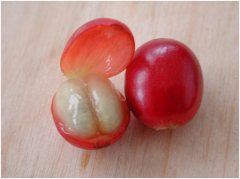
Processing methods of high-quality coffee beans
There are a pair of oval seeds in the center of the fruit of the coffee tree, which are covered with exocarp, endocarp and pulp. Ripe fruit will rot in a short period of time without treatment, so the purpose of refining is to enable coffee beans to be preserved for a long time, easy to store and circulate. Figure (1) Coffee fruit Coffee fresh fruit should be dealt with immediately after being harvested. Refining is to remove the peel and pulp of coffee fruit
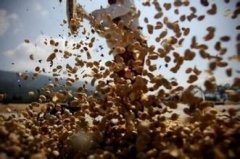
Coffee Bean Processing
The coffee tree has a pair of oval seeds in the center of the fruit. The seeds are covered by the outer skin, endocarp and pulp. Mature fruit will rot in a short time without treatment, so the purpose of refining is to make coffee beans long-term preservation, easy storage and circulation.
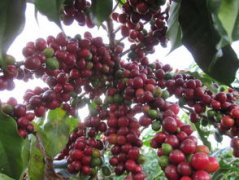
How to deal with high-quality coffee beans
There are a pair of oval seeds in the center of the fruit of the coffee tree, which are covered with exocarp, endocarp and pulp. Ripe fruits will rot in a short time without treatment, so the purpose of refining is to enable coffee beans to be preserved for a long time, easy to store and circulate. (1) Coffee fruits and fresh fruits should be treated immediately after they have been harvested. Refining is to remove the outer skin and pulp of coffee fruit.

The Flavor of Coffee Solar treatment describes the Grinding process of the processing Plant in the Taste producing area
The flavor of coffee sun treatment describes the grinding process of the processing plant in the taste producing area. in the process of washing, the peel and pulp of the fruit are treated by a special desizing machine and the coffee beans are peeled off. The coffee beans then enter the fermentation tank for fermentation treatment so that the mucous membrane is no longer sticky. The sugars in the mucous membrane are decomposed during fermentation. Depending on the fermentation method, the fermentation time usually ranges from 12 hours to 12 hours.

The process of processing and fermentation of Ethiopian coffee by washing
Ethiopian coffee washing is used to process fermented coffee. Coffee is either dried naturally on the patio, or dried by machine, or both. The treatment is to spread the coffee cherries widely on the exposure field for two weeks and sweep them with a rake several times a day so that the coffee beans can be dried more evenly. When dried, the coffee beans will be separated from the skin and dried by a sheller.